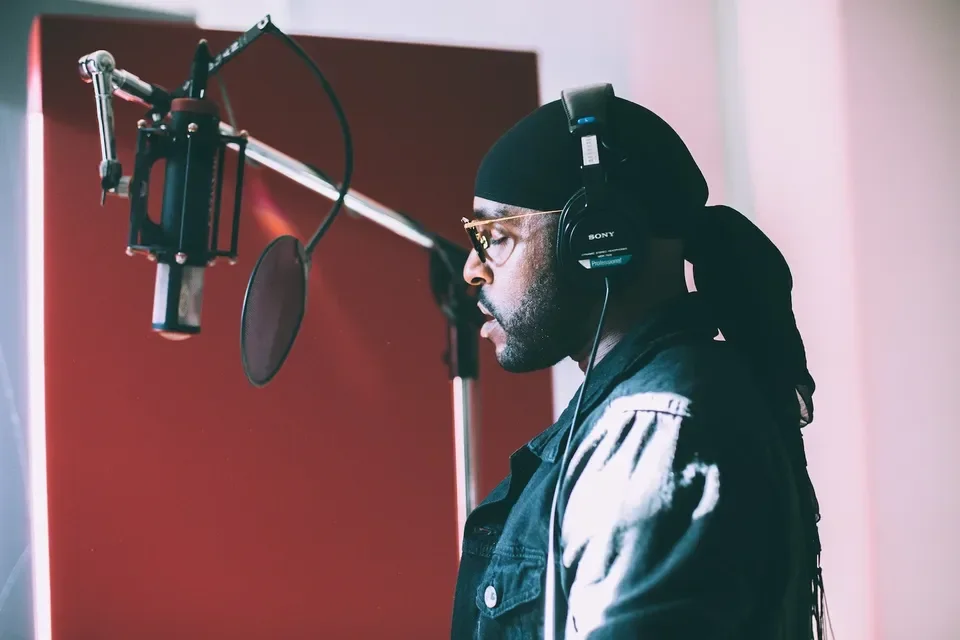
A practice routine is easier to follow when each session has a small, understandable goal. Use your lesson notes to decide what deserves attention next.
Make the task specific
Replace a broad goal such as improve this song with a question you can explore: can I find the opening entry, remember the second verse or make the words of this line clear? Choose one short passage. A specific task makes it possible to notice a result without expecting the entire song to change at once.
Prepare what you need
Have the relevant lyrics, music or accompaniment ready before starting. Check that the version matches your lesson notes. Keep a notebook or a simple digital note nearby so you can record a question without interrupting the session to search for something else. Use exercises your teacher has explained, rather than collecting unfamiliar routines without a clear purpose.
Alternate work and listening
After trying a passage, pause to decide what happened. Listen to the accompaniment or review your notes, then choose whether another attempt would answer the same question or whether the task needs to be smaller. Repetition is most useful when you know what you are listening for. There is no need to turn every practice session into a complete performance.
Plan the next starting point
End with a brief record of what became clearer and what still needs discussion. Include the song section or lyric so you can find it again. Bring those notes to your next lesson. A routine can change as your schedule and musical goals change; the useful constant is knowing why you are working on a particular task.
Explore lesson information or ask about lessons.